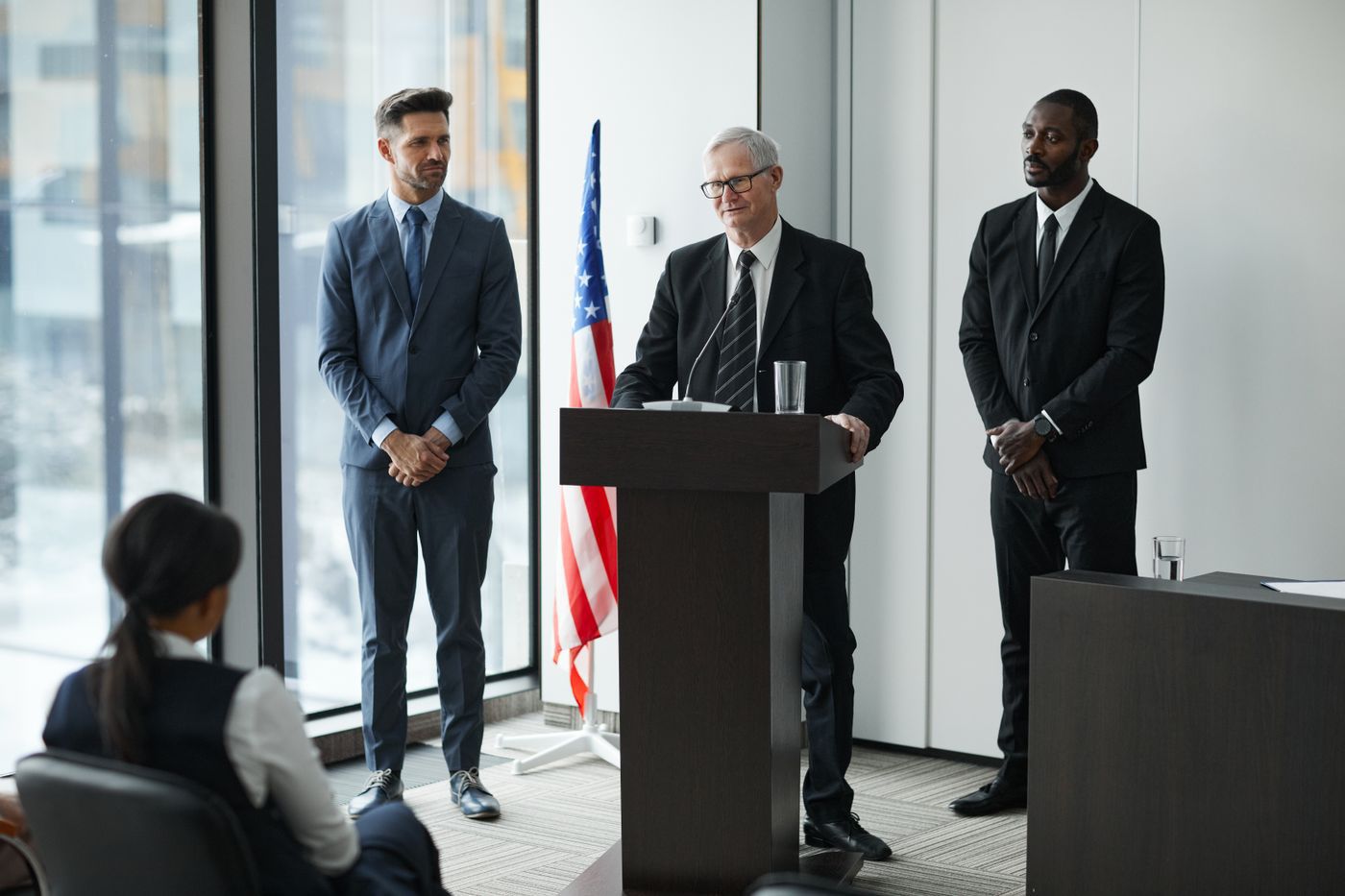
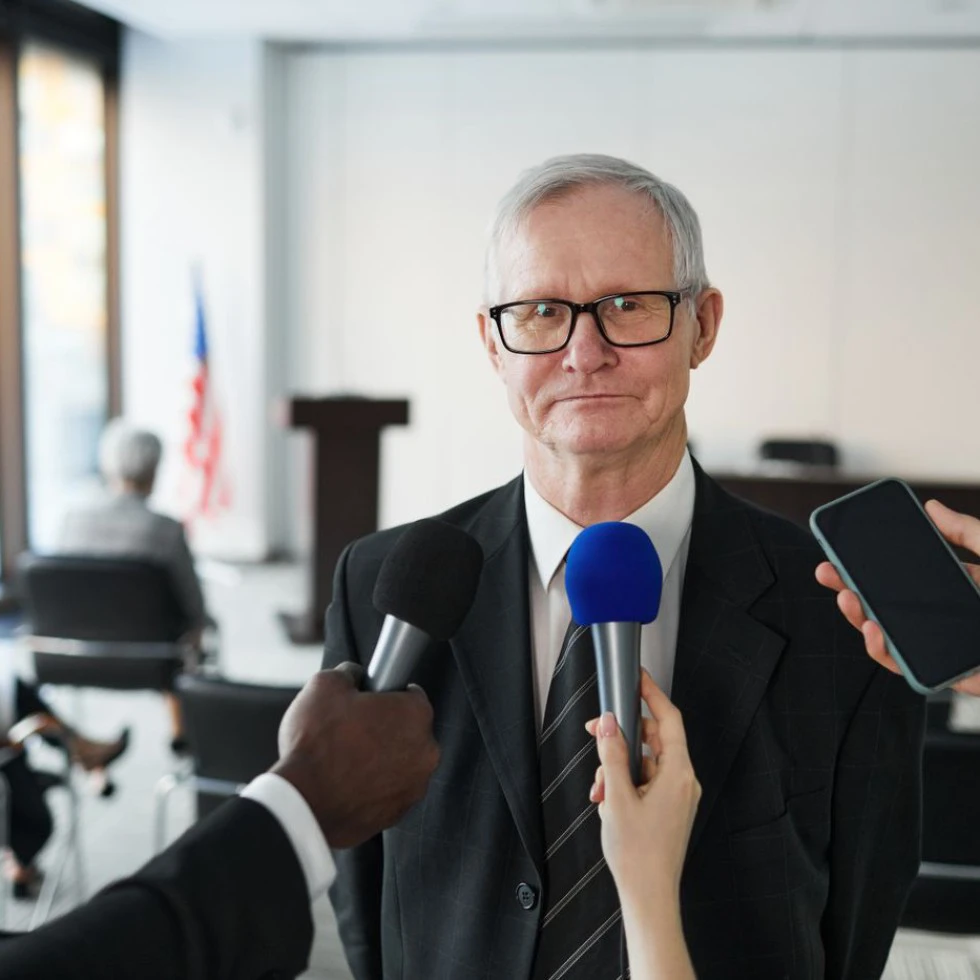
 Politics & economyAfter the budget, the market: face to face with an economist
Why prices do not fall after the budget — a frank forty-minute talk in the studio with an economist.
Read the interviewFrom the night bulletin to face-to-face interviews — fourteen years in news. Plain language, verified facts and a calm voice.

As a child I listened to the news on my father’s radio; the announcer’s voice drew me in. I wanted to see that voice in front of my eyes.
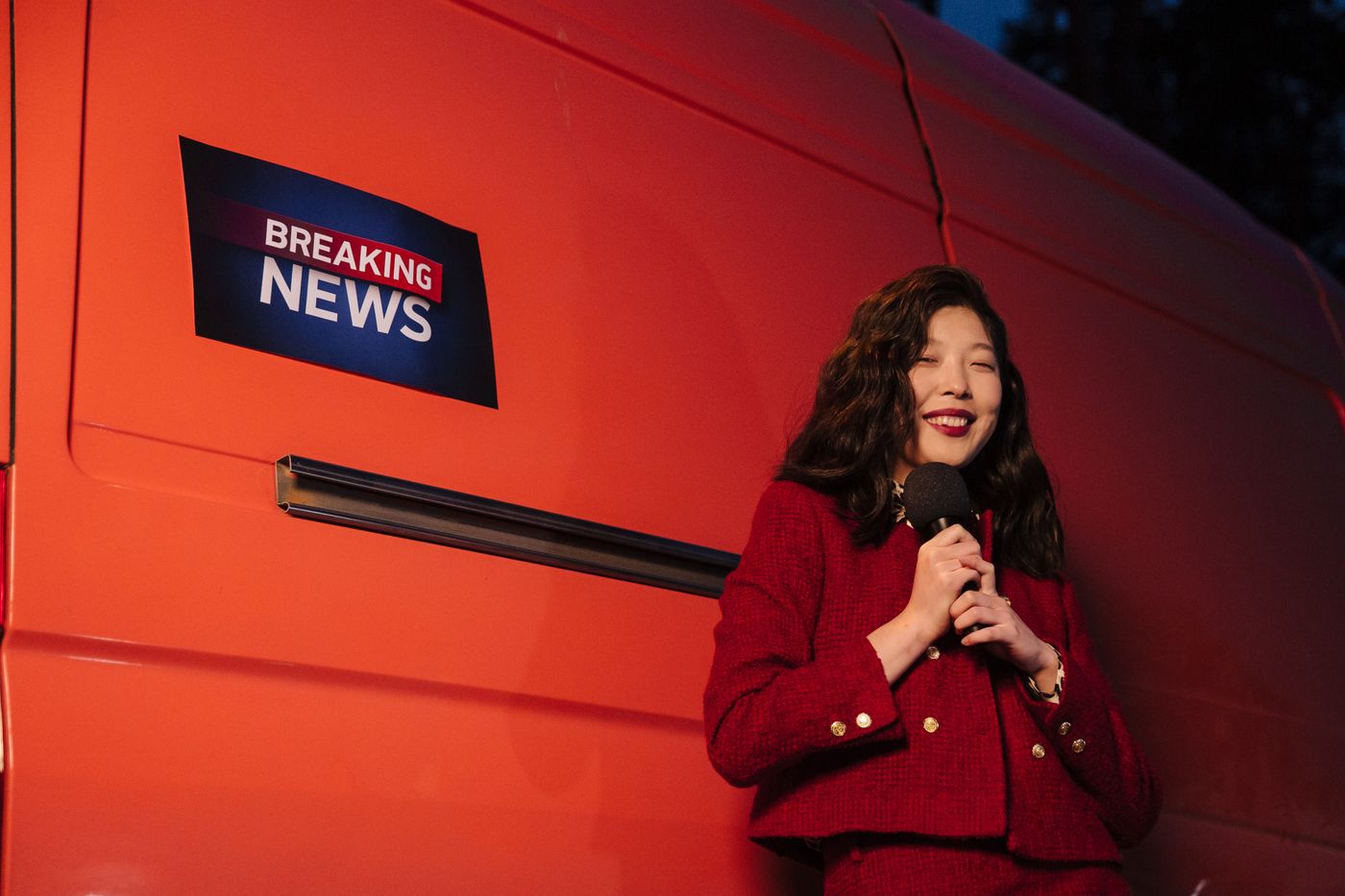
After university I began as a trainee reporter at a local daily, then moved to field reporting for television. My hands shook at my first night bulletin, yet I held on to the script.
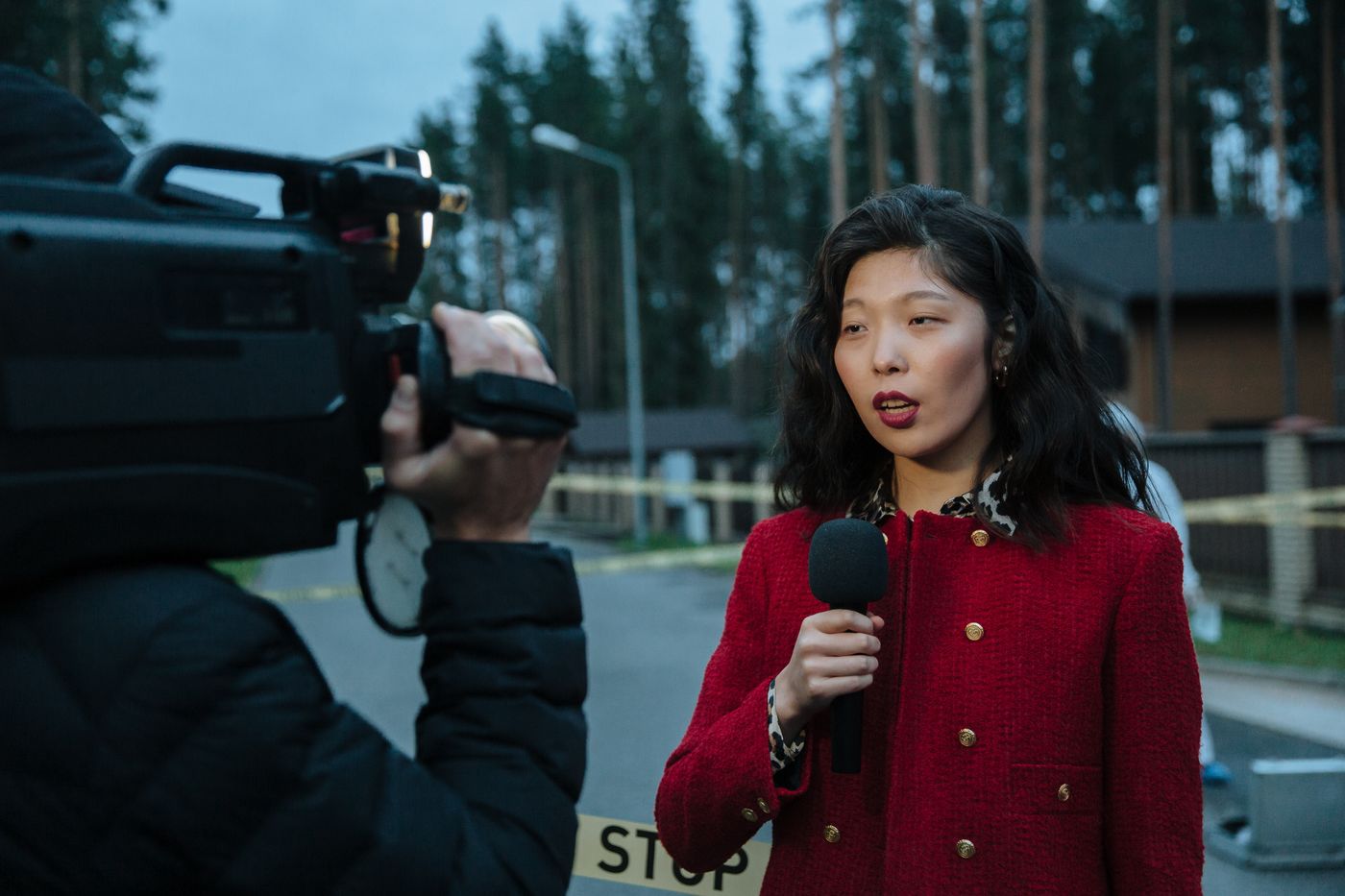
Today I read the news, conduct interviews and train young journalists. I have one rule — I do not say what I have not verified.
Tania Ferdous
The main news bulletin with a short analysis — Sunday to Thursday.
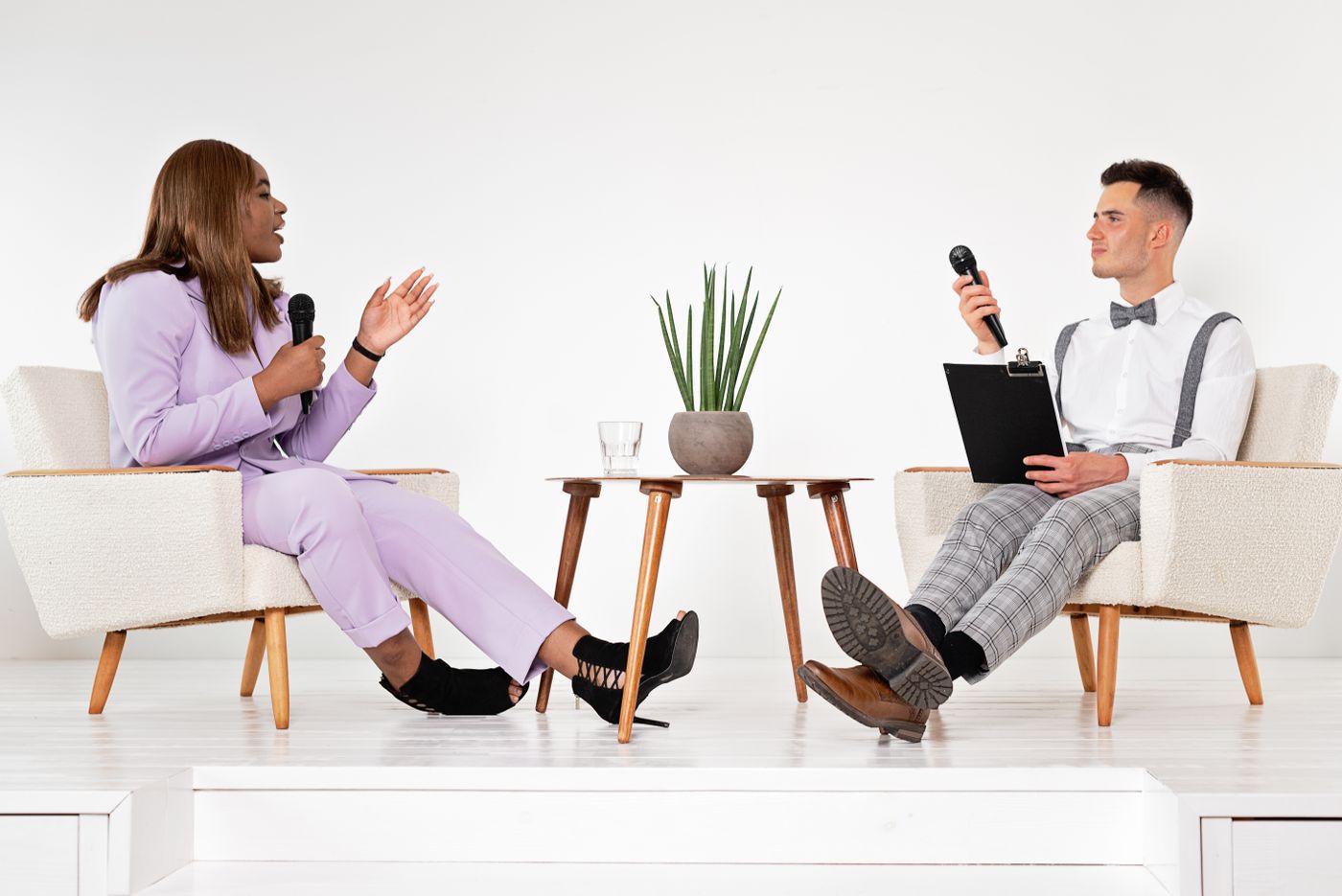
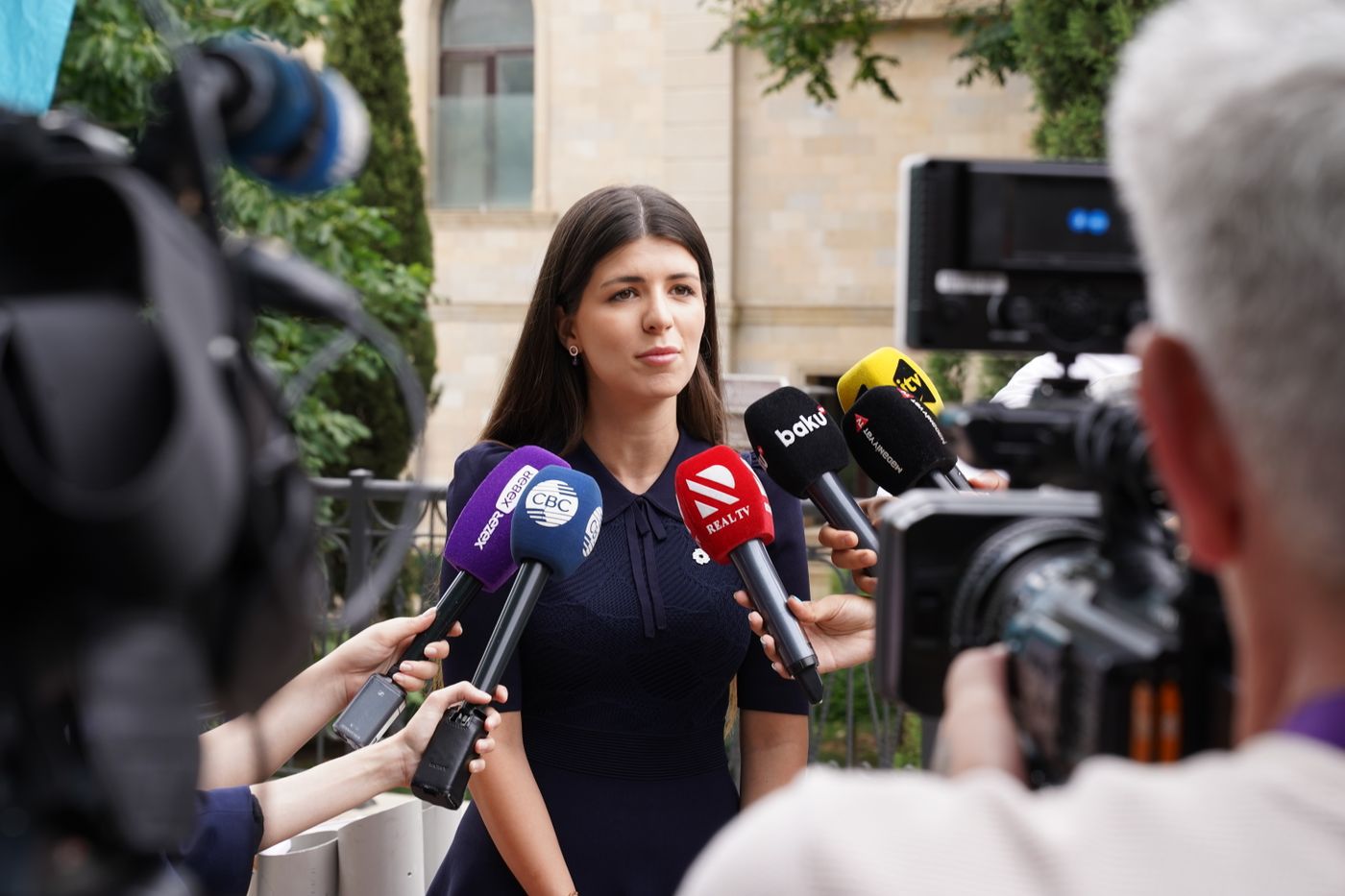
A one-to-one talk with the week’s most discussed figure.
Early news, weather and the day’s plan — Saturdays and Wednesdays.
Citizens’ questions, authorities’ answers — a studio discussion.
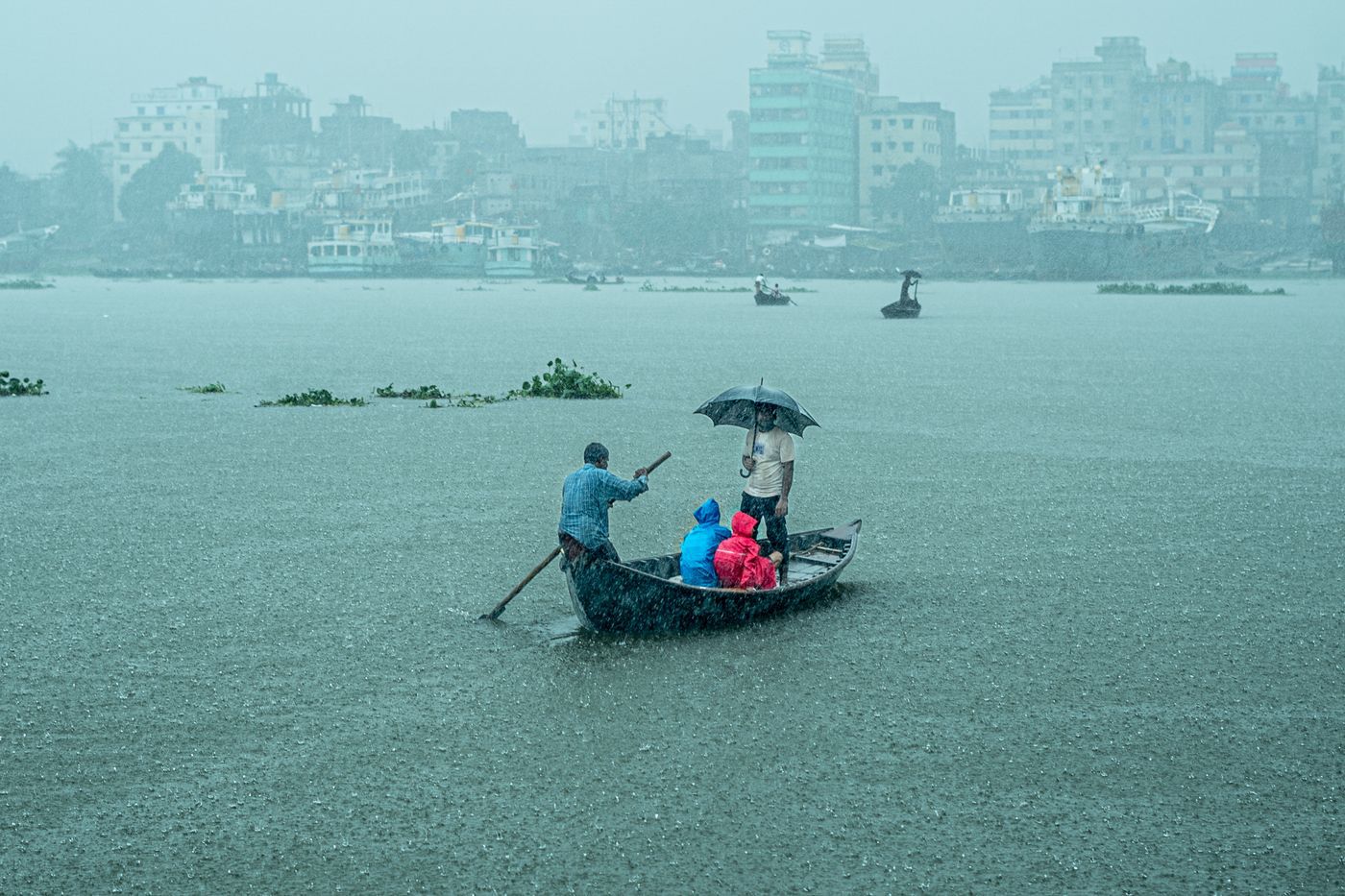
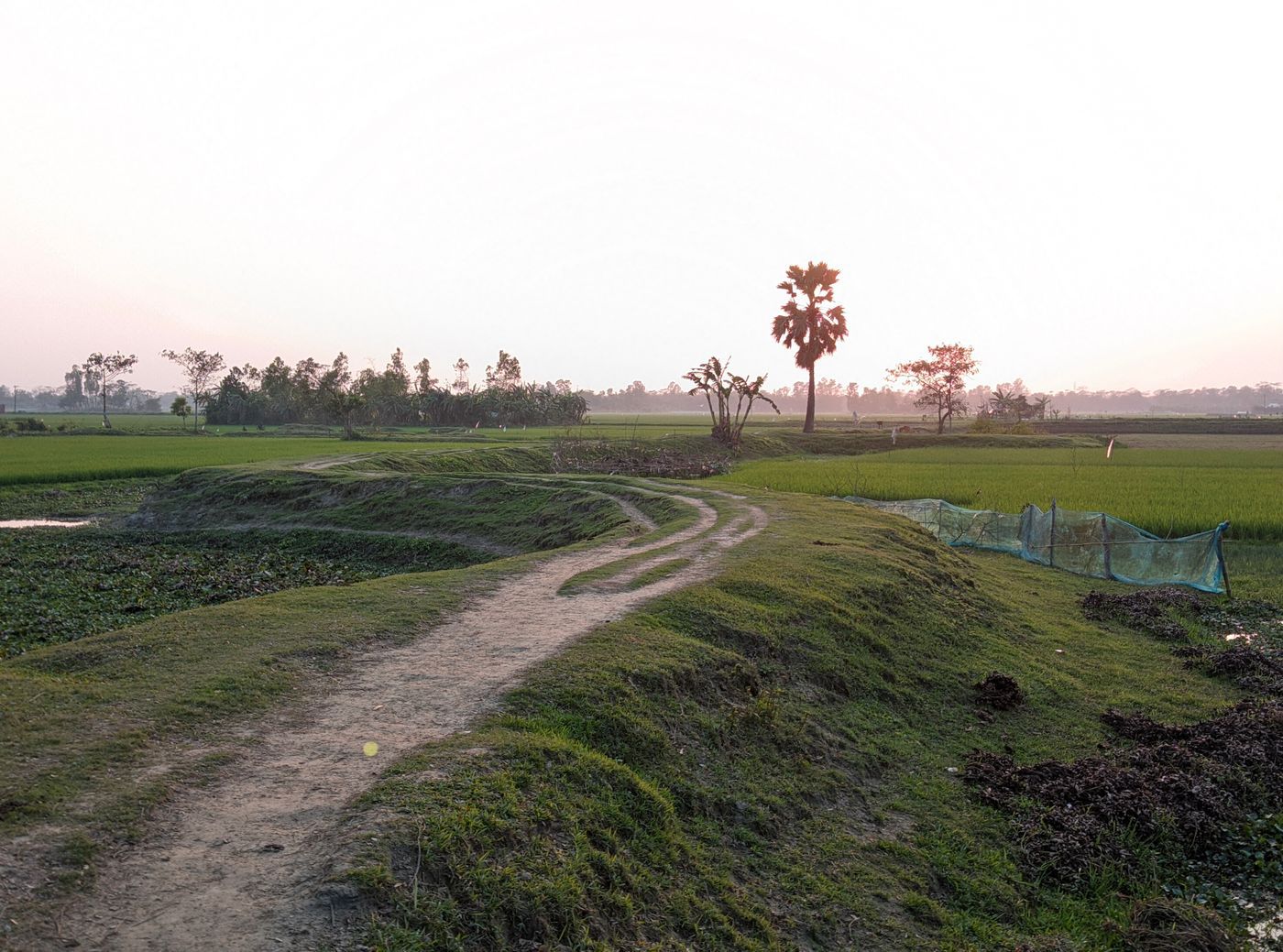
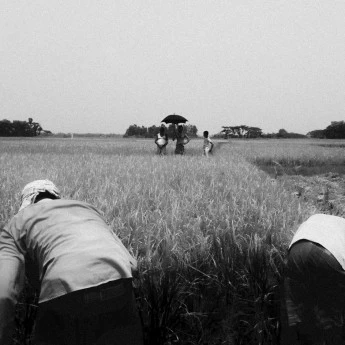
A documentary series on the people and environment of the haor region.
Politics & economyAfter the budget, the market: face to face with an economist
Why prices do not fall after the budget — a frank forty-minute talk in the studio with an economist.
Read the interview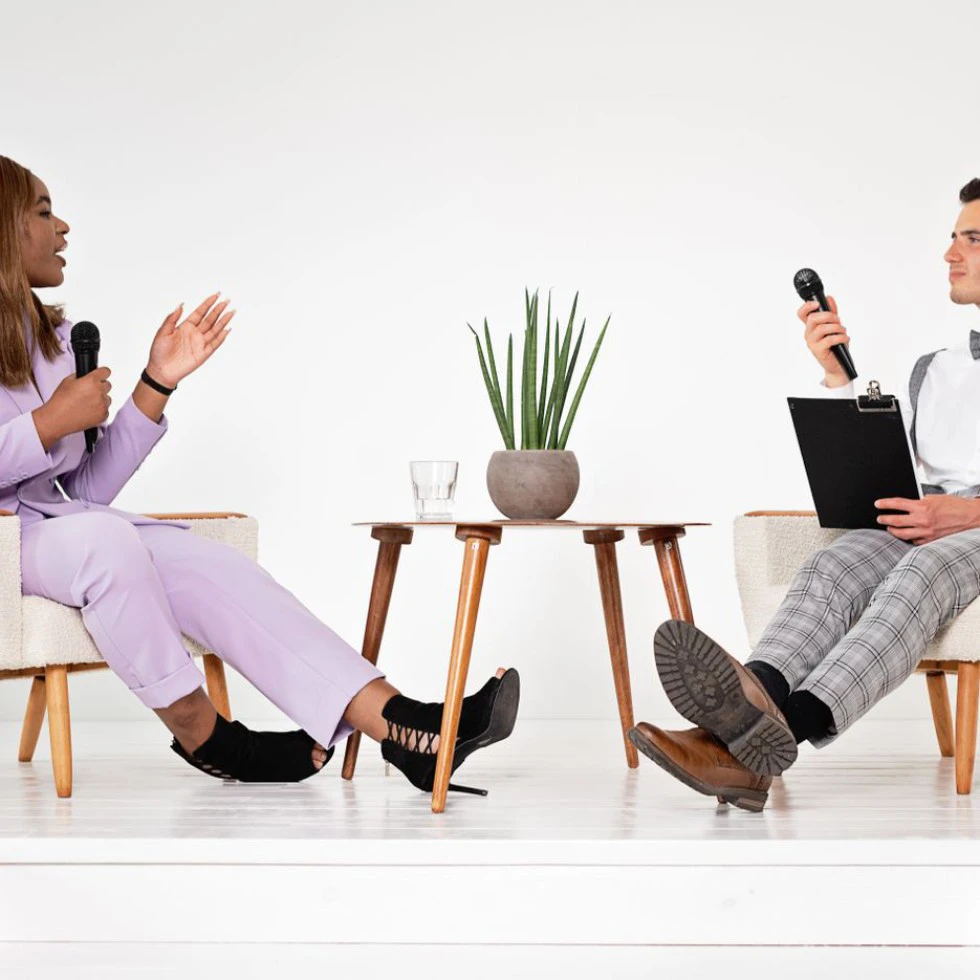 Politics & economyWomen entrepreneurs and the credit squeeze: a banker meets an entrepreneur
A banker and a woman entrepreneur at one table — straight answers on collateral, interest and trust.
Read the interview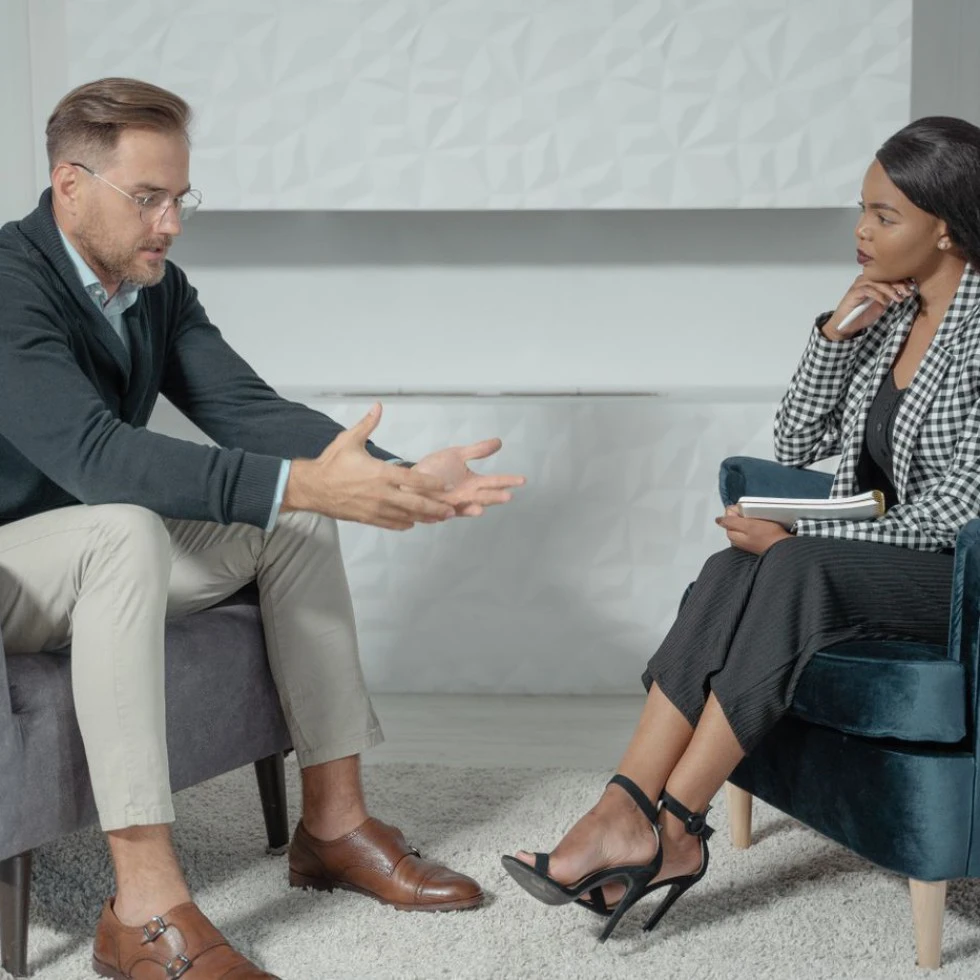 Politics & economyThe future of exports: a chat with a young industrialist
What comes after garments — new products, new markets and worker skills, with a young industrialist.
Read the interview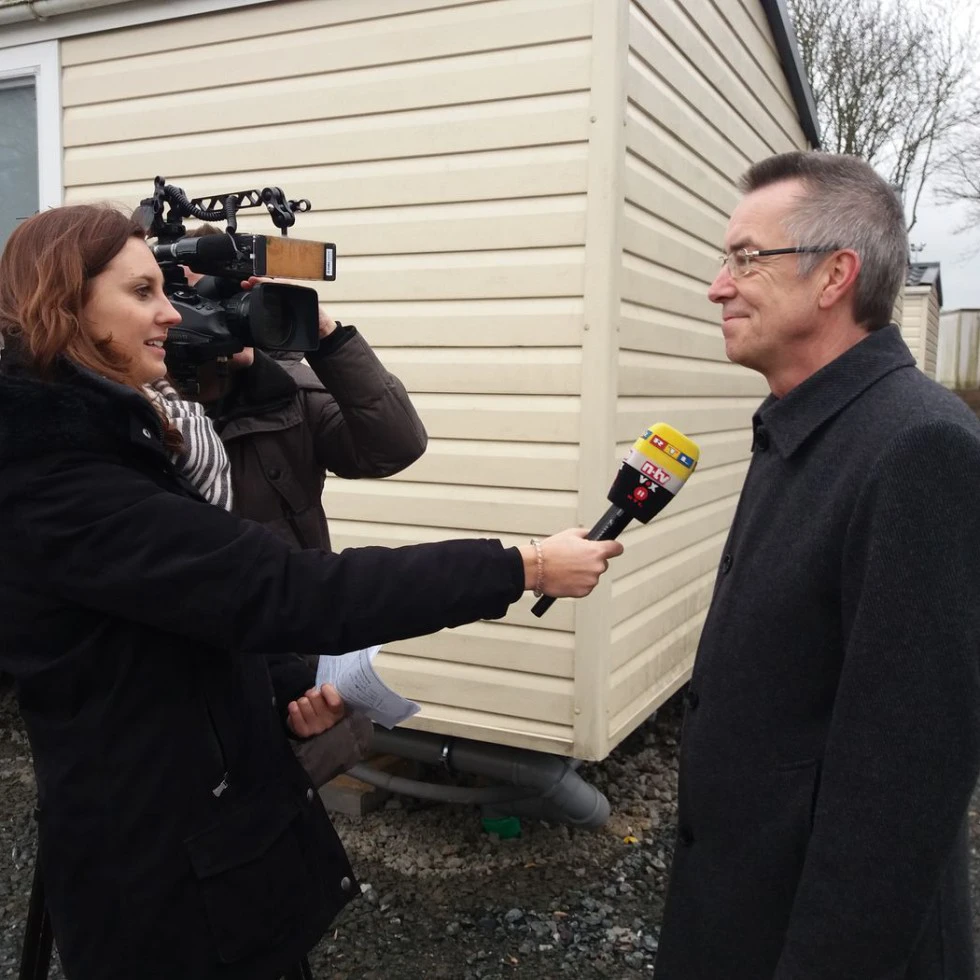 Society & environmentIn a river-erosion village: a teacher’s story
In a village whose school was lost to the river, one teacher still holds class under the open sky.
Read the interview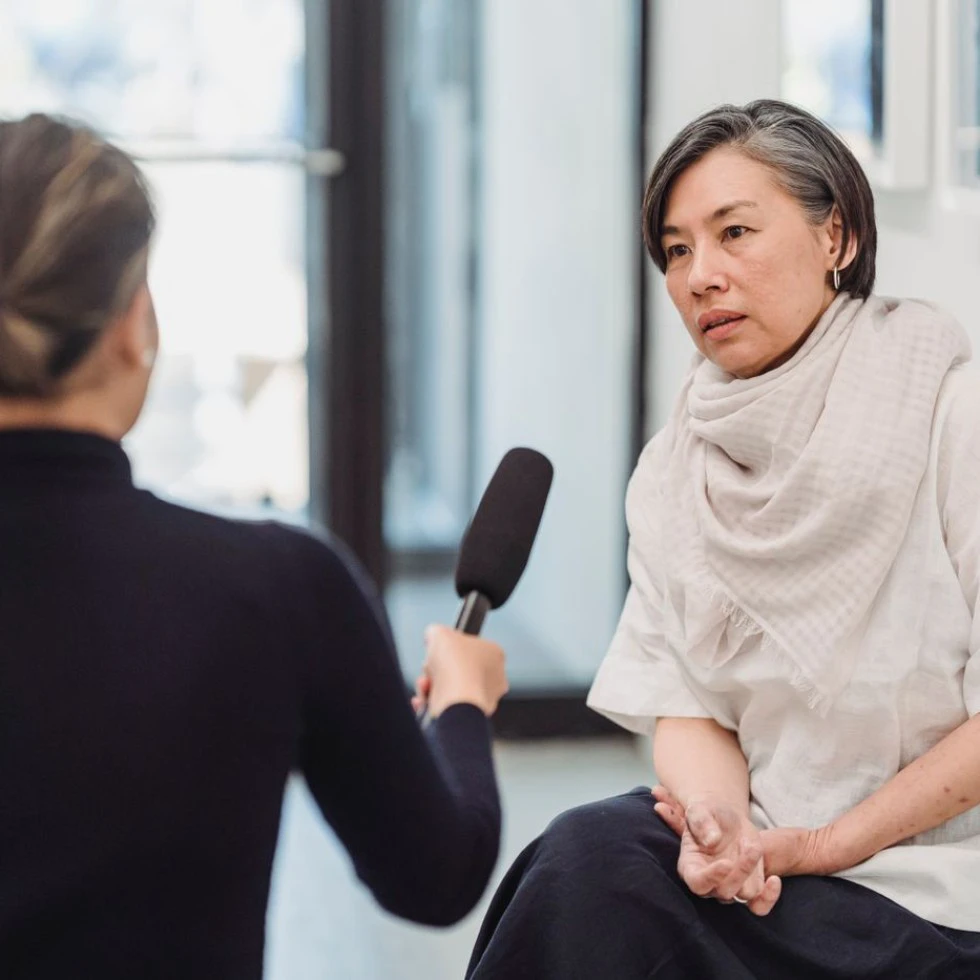 Society & environmentThe air of Dhaka: an environmental scientist explains
Seven days of air-quality readings in hand, a Q&A with an environmental scientist.
Read the interview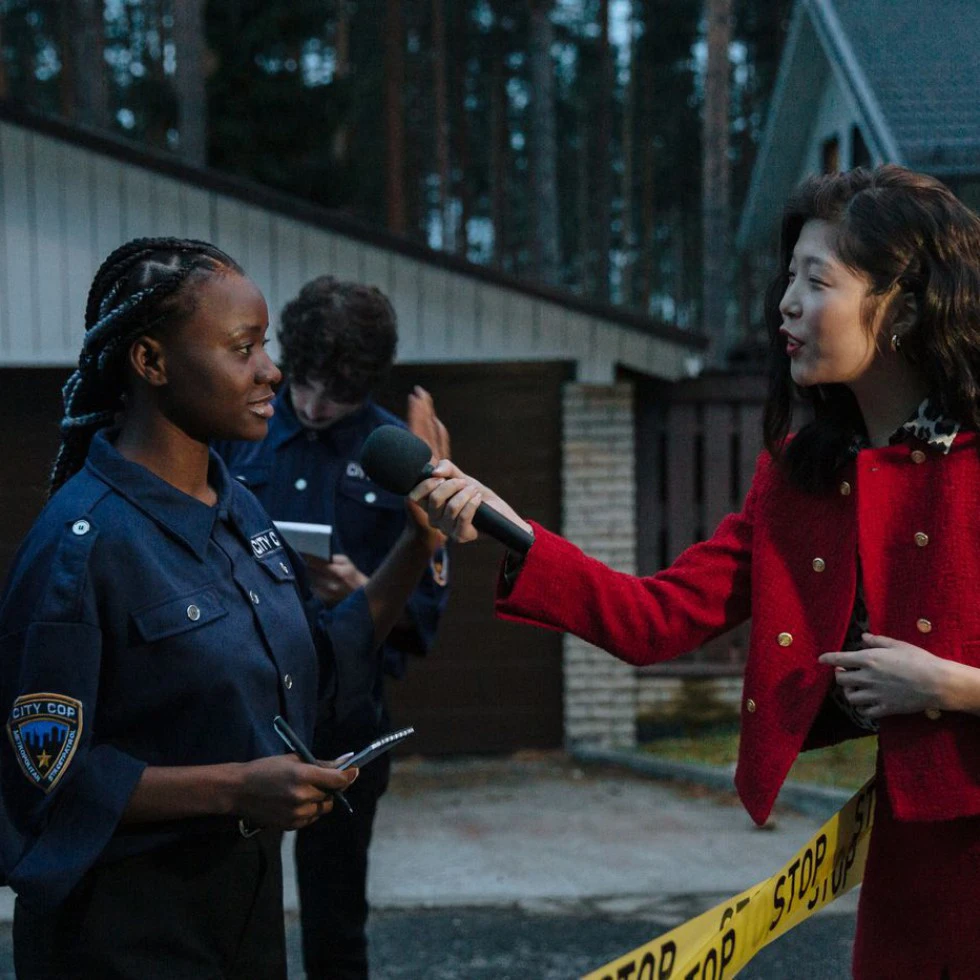 Society & environmentA haor fisher and a researcher
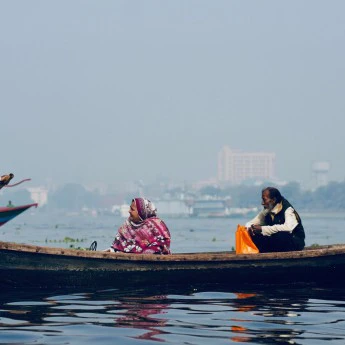
Why the catch is shrinking — a fisher and a researcher in conversation, seated on a boat.
Read the interview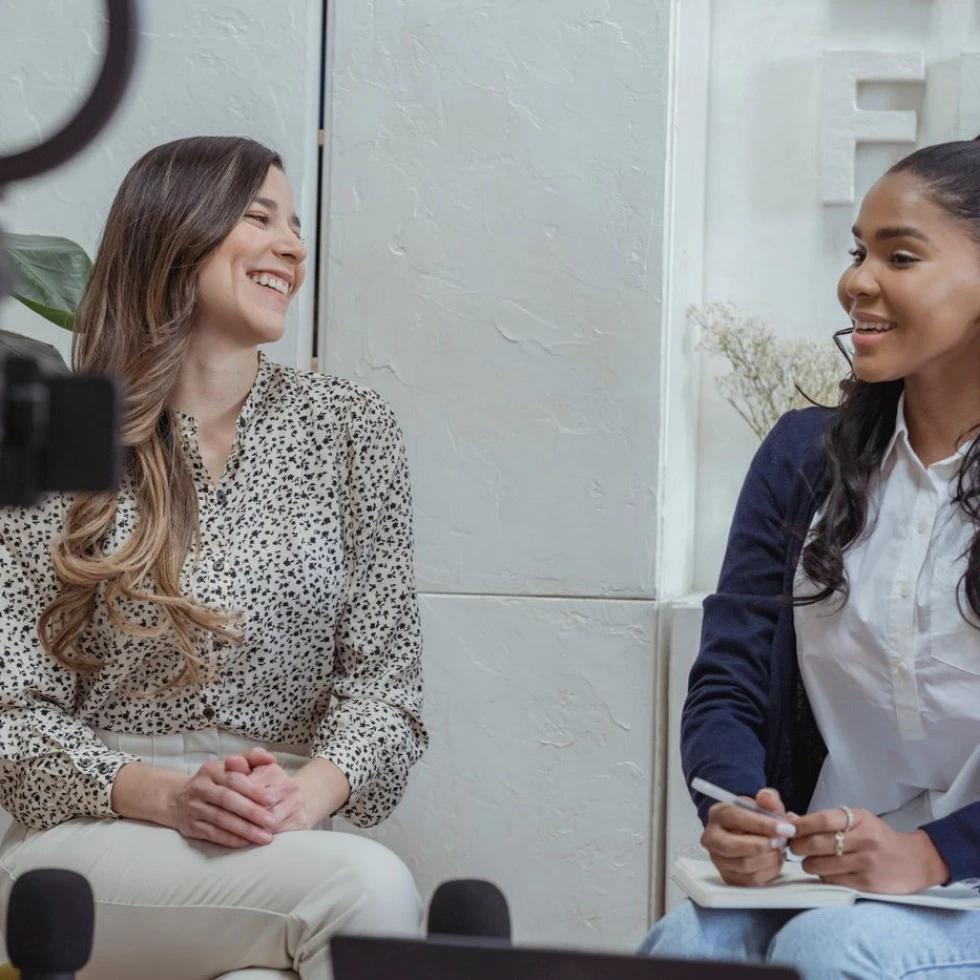 Culture & peopleFrom stage to screen: memories of a veteran actress
Fifty years of acting, the fear of the first line and a few words for today’s young artists.
Read the interview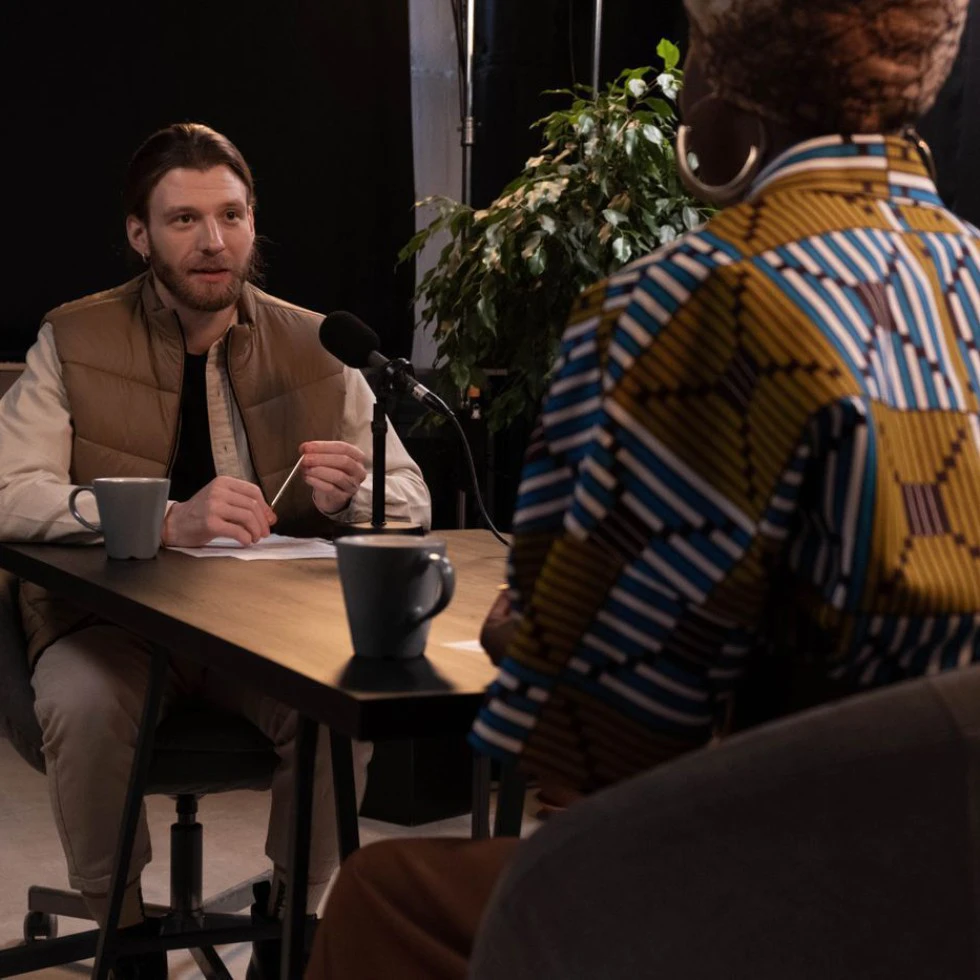 Culture & peopleThe city of poems: an afternoon with a young poet
How the writing began, the first book and the sounds of the city — tea-table talk with a young poet.
Read the interviewI look for the human story behind the numbers.
I weigh questions, not sides.
Scientists’ data in plain language.
I hear both parents and teachers.
I go to those who are rarely heard.
Conversation with artists, not pressure of questions.
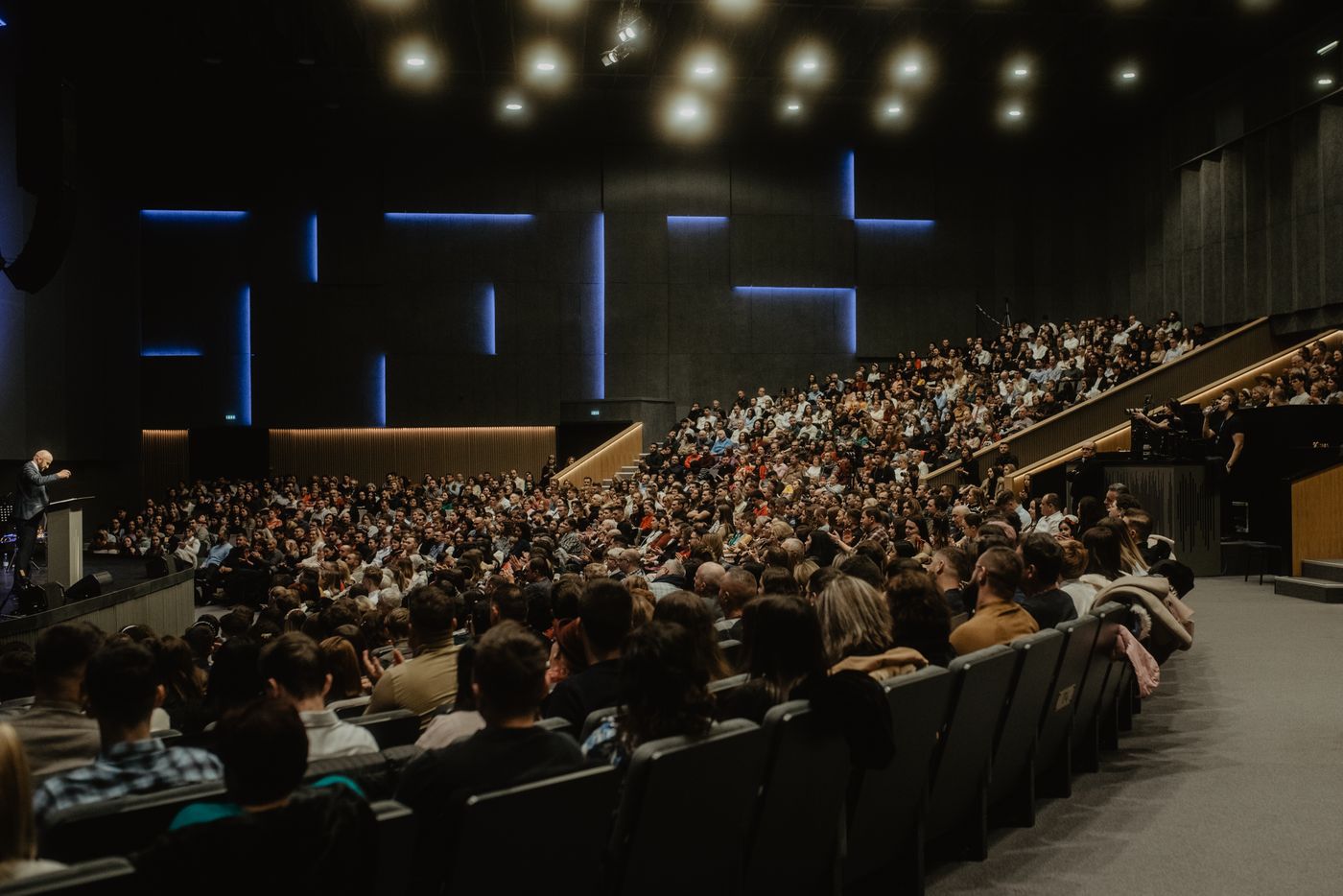
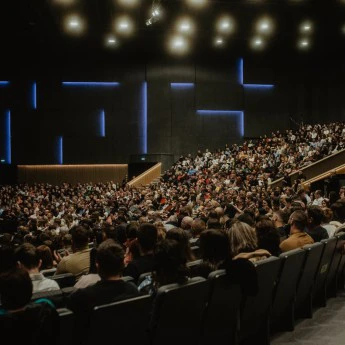
Professional hosting for conferences, award nights and corporate events.
A neutral moderator for debates and panels — from preparing questions to keeping time.
Clear, credible presenting for company stories and documentaries.
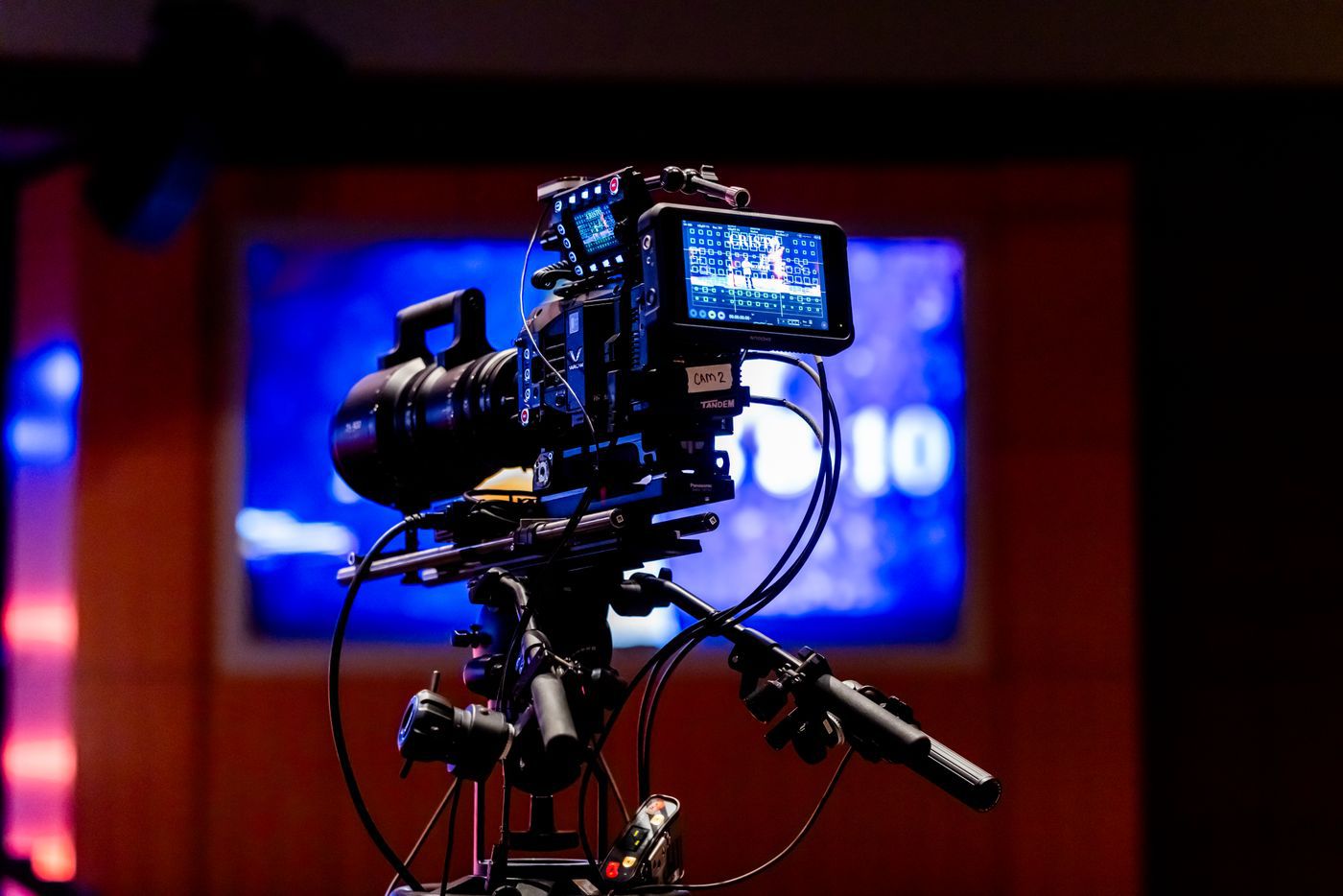
Hands-on training to feel natural in front of a camera and a microphone.
Voice and scripts for explainers, documentaries and reports.


The first rule of reading the news: I do not say what I do not know; what I know, I say simply.
Began as a trainee reporter at a local daily.
First field reports on the society and crime beat at Nilakash TV.
First time in the chair for the main night bulletin.
A weekly interview programme — the first guest was an educationist.
Research and presenting on the people of the haor.
Started media-training workshops for young journalists.








Even under pressure she keeps a cool head and shapes her questions well. Guests feel at ease and viewers get facts.
She hosted our annual conference for three hours — not a minute out of time.
On “Face to Face” I learned that tough questions can be asked politely. Her questions were well researched.
Her preparation in the newsroom sets an example — script, fact-check, everything ready beforehand.
In the media training I watched my own recording for the first time and learned to spot my mistakes. Interviews scare me less now.
There is no drama in the way she reads the news, so I trust it. The night bulletin is a habit in our family.
The three steps by which a price climbs from the field to the plate.
In disaster news a single wrong word can spread panic — which is why word choice matters.
A report from two weeks spent with parents in admission season.
What I saw in four days of documentary shooting that the camera did not catch.
The six things I do before sitting down with a guest.
How to talk to the viewer while keeping your eyes on a screen.
Use the contact section below to send the date, venue and type of event by email or phone. I reply within two working days.
Yes, in both Bangla and English; I also handle bilingual events.
Young journalists, entrepreneurs, speakers and company spokespeople — anyone who wants to be at ease on camera.
Sponsored videos and articles carry a clear “sponsored” label. I do not promote a product or service I have not checked myself.
I share the topics beforehand, not the exact questions. That keeps the talk natural.
For event hosting, corporate video or media training, write or call directly.
New interviews, the stories behind reports and the media kit — request them by email.